
Yes, in most cases. A standard homeowners policy typically includes two coverages that apply when guests visit: medical payments to others, which pays a guest's minor medical bills regardless of fault, and personal liability, which helps if a guest holds you responsible for an injury or damage. Your policy may also cover some damage guests cause to your home. What it usually won't cover are your guests' cars, injuries to people who live with you, or anything tied to a business you run from home.
The holidays are when we open our homes the widest. More people, more food, more candles, the family dog meeting fourteen relatives at once. Here's how coverage typically works in each of those moments, and a simple checklist to make your home ready before the first doorbell rings.
If a Guest Gets Hurt at Your Home
Icy front steps, a loose rug, a toddler and a staircase: most holiday injuries are small, and that's exactly what medical payments to others is built for. It typically pays reasonable medical costs, such as an urgent care visit, X-rays or stitches, for a guest injured on your property. It works without anyone proving fault, and most policies set the limit between $1,000 and $5,000.
If the injury is serious, or your guest believes you were negligent, personal liability coverage takes over. Depending on your policy, it can help pay for their medical bills, lost wages and your legal defense if they sue. Many homeowners policies start at $100,000 of liability coverage; we often suggest more for families with a lot to protect.
Two important limits: neither coverage pays for injuries to you or anyone who lives in your household (your own health insurance handles that), and neither covers injuries connected to a business you run from home.
If Guests Bring Their Belongings
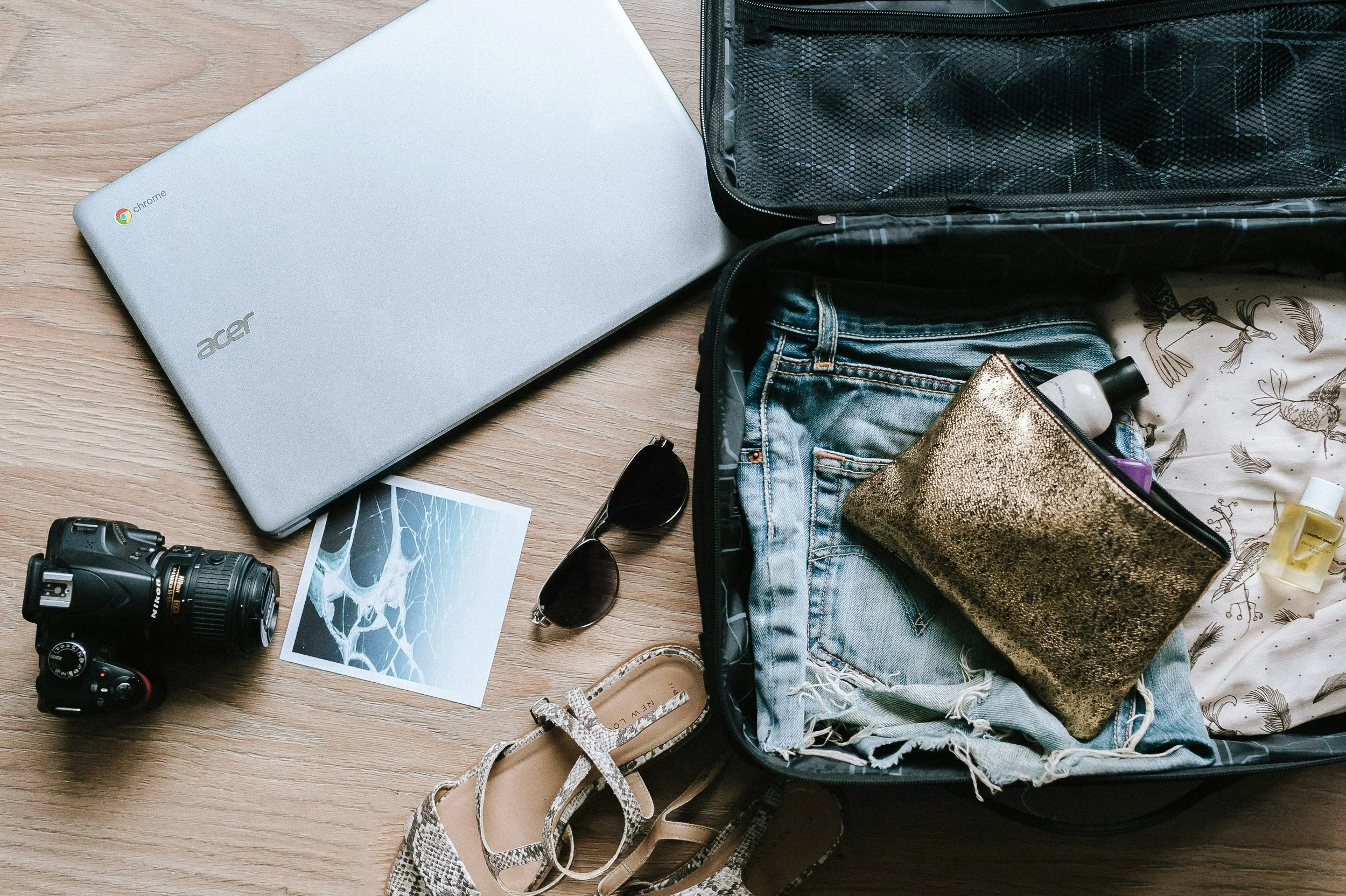
Your aunt's laptop, a cousin's suitcase, gifts stacked under the tree: when a guest's property is damaged or stolen at your home, their own homeowners or renters policy is usually the first place to look, since personal property coverage typically follows the owner.
Many homeowners policies also let you extend your own personal property coverage to a guest's belongings while they're in your home, at your request. It's worth knowing before you need it, because a claim on your policy counts against your claim history and your deductible applies.
If a Guest Breaks Something in Your Home
Accidents happen. A dropped heirloom platter or a red-wine spill on the sofa is your property, so your own homeowners coverage is what would respond, and only if the loss is a covered peril and worth more than your deductible. Many small breaks simply aren't worth a claim.
Bigger accidents are a different story. If a guest leaves a candle burning and it starts a fire, the damage to your home is typically covered under your dwelling coverage. The guest may also be held responsible, and their own liability coverage could become part of the conversation.
If Guests Park in Your Driveway or Borrow Your Car
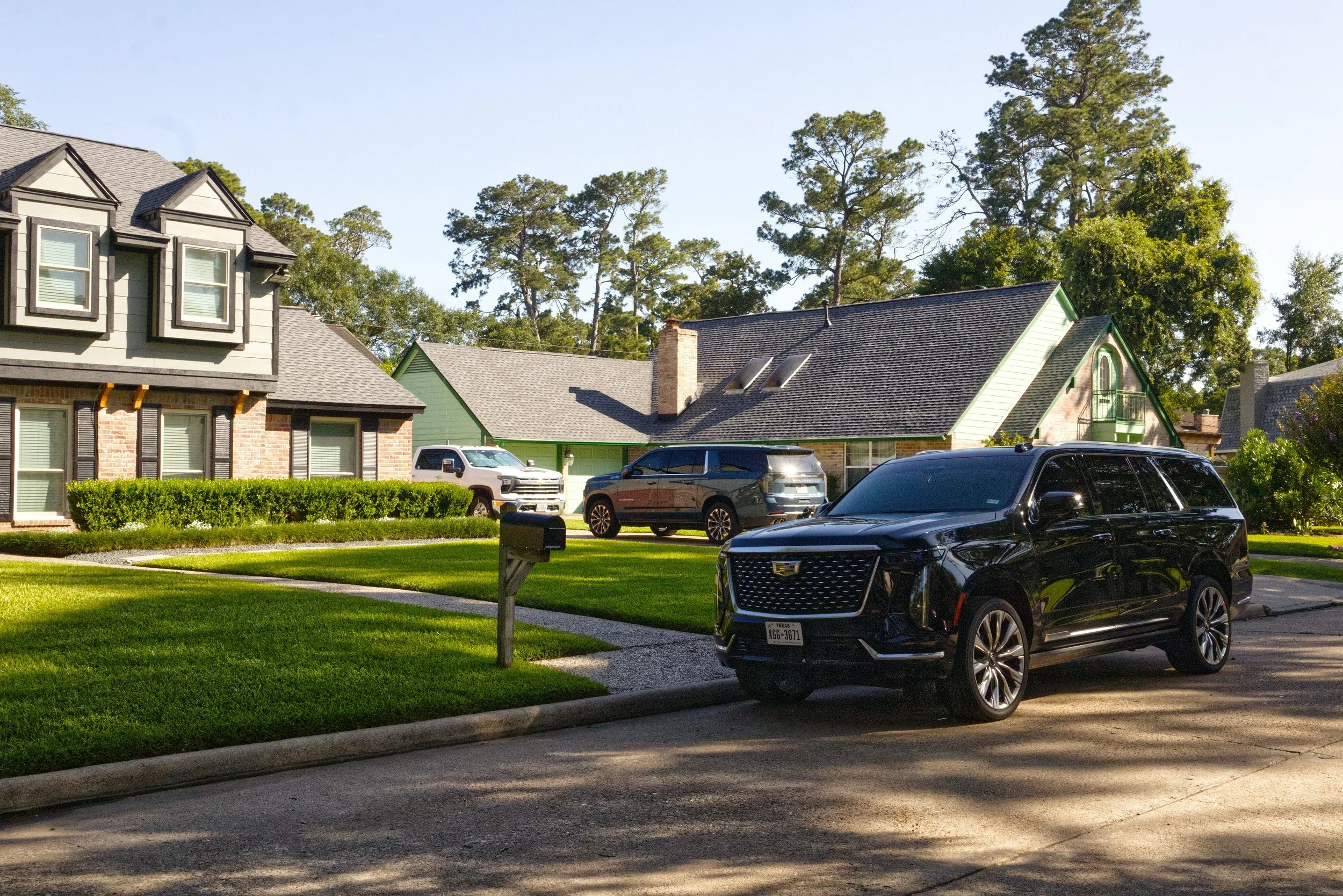
Your homeowners policy doesn't cover cars. If a tree limb falls on a guest's car in your driveway, their own auto policy's comprehensive coverage is what typically applies.
If a guest borrows your car to run to the store, auto insurance generally follows the car. In most cases, your auto policy would respond first for an accident, with the guest's own auto insurance possibly adding coverage on top. Before you hand over the keys, make sure they have a valid license and that no driver on your policy is excluded.
If Your Dog Meets the Relatives
Even the friendliest dog can get overwhelmed by a full house. Dog bites are a liability claim, and they're expensive: insurers paid $1.86 billion in dog-related injury claims in 2025, averaging $65,450 per claim, according to the Insurance Information Institute and State Farm (Triple-I via Business Wire).
Most homeowners policies include dog bite liability, but some carriers limit or exclude certain breeds or dogs with a bite history. Not sure where your policy stands? That's a two-minute question for your agent. On the day itself, give your dog a quiet room away from the front door and a break from the crowd.

If You're Serving Drinks: Tennessee's Social Host Rules
Tennessee law generally treats drinking, not serving, as the cause of an alcohol-related accident involving an adult (Tenn. Code § 57-10-101). For most private holiday gatherings, that means the host isn't the one held responsible if an adult guest drinks and later causes harm.
Three things can change that picture:
Selling alcohol. Charging a cover or asking guests to chip in for drinks could make you look more like a vendor than a host (NewsChannel 5).
Guests under 21. The Tennessee Supreme Court has held a host responsible for knowingly allowing underage guests to drink, even when he didn't supply the alcohol (Nolo on Biscan v. Brown). Knowingly letting someone 18 to 20 drink at your home can also be a criminal offense.
Business events at home. A client party or anything you charge admission for may fall outside a homeowners policy's liability coverage. Ask about event coverage first.
The practical version: keep water and food out, offer rides or a guest room, and never let anyone under 21 drink. This section is general information, not legal advice; for a specific situation, talk with a Tennessee attorney.
A Host-Ready Home: 7 Things to Do Before Guests Arrive
The best claim is the one that never happens. Thanksgiving is the leading day of the year for home cooking fires in the U.S., according to the National Fire Protection Association (KRVN), so start in the kitchen and work your way out to the curb.
Test smoke and carbon monoxide alarms, and keep a fire extinguisher where the cook can reach it.
Fry the turkey outside, well away from the house, the garage and any covered porch, and never leave it unattended.
Light the path. Replace porch and walkway bulbs, and keep ice melt by the door.
Clear the walkway and stairs of shoes, cords, rugs and toys.
Make a plan for the dog: a quiet room, a crate or a sitter for the busiest hours.
Put valuables away. Jewelry, watches, prescriptions and important papers belong in a closed room or a safe.
Blow out candles before you leave a room, and keep them away from greenery and curtains.
When It Makes Sense to Add an Umbrella Policy
A serious injury can cost far more than a standard homeowners liability limit. An umbrella policy adds an extra layer of liability coverage, often $1 million or more, above your home and auto policies. For families who host often, have a pool or trampoline, have teen drivers or simply have built a lot over the years, it's one of the most cost-effective coverages there is. Learn more about umbrella insurance.
Frequently Asked Questions
-
Typically, yes. Medical payments to others can pay a guest's minor medical bills regardless of fault, and personal liability can help if the guest holds you responsible for a more serious injury. Limits and exclusions depend on your policy.
-
Your guest's own homeowners or renters policy usually applies first. Many homeowners policies let you extend your personal property coverage to a guest's belongings while they're at your home, subject to your deductible.
-
Tennessee law generally places responsibility on the adult who drinks, not the private host who serves, as long as you aren't selling alcohol. That protection doesn't extend to guests under 21. For a specific situation, ask a Tennessee attorney.
-
No. A guest's car is covered by their own auto policy, even when it's parked in your driveway.
-
A long visit usually doesn't change anything. If a relative moves in, though, they may count as a resident of your household, which can change how your policy treats them and their belongings. Let your agent know.
-
Most homeowners policies include dog bite liability, but some limit or exclude certain breeds or dogs with a bite history. Check your policy before a crowd arrives.
Host With Confidence This Season
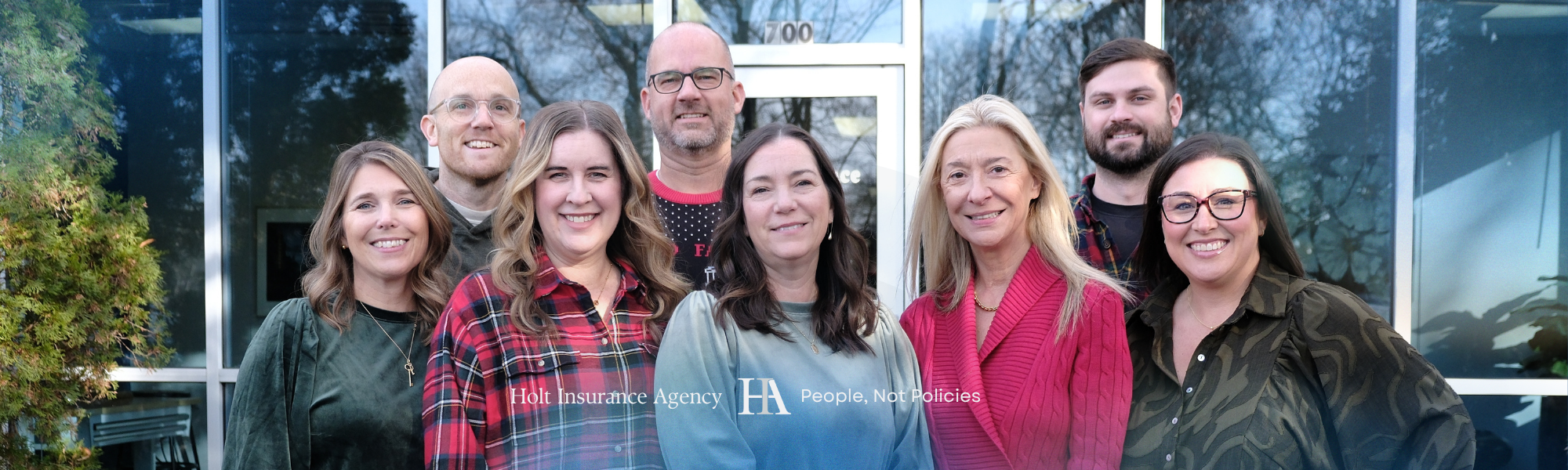
You've worked hard on your home, and the holidays are when it does its best work: bringing people together. If you'd like a second set of eyes before the guests arrive, schedule a free Protect What You've Built Review. In 20 minutes, a licensed Holt Insurance agent will walk through your liability limits, medical payments coverage and whether an umbrella makes sense for your family. It's open to anyone, with no cost and no obligation.
Holt Insurance Agency has helped Franklin and Williamson County families protect what they've built since 1946.
This article is general information, not a coverage guarantee or legal advice. Coverage depends on your policy's terms, conditions and exclusions.