If a Tree Falls on Your Property in Tennessee: What Homeowners Insurance Covers (and What It Doesn’t)
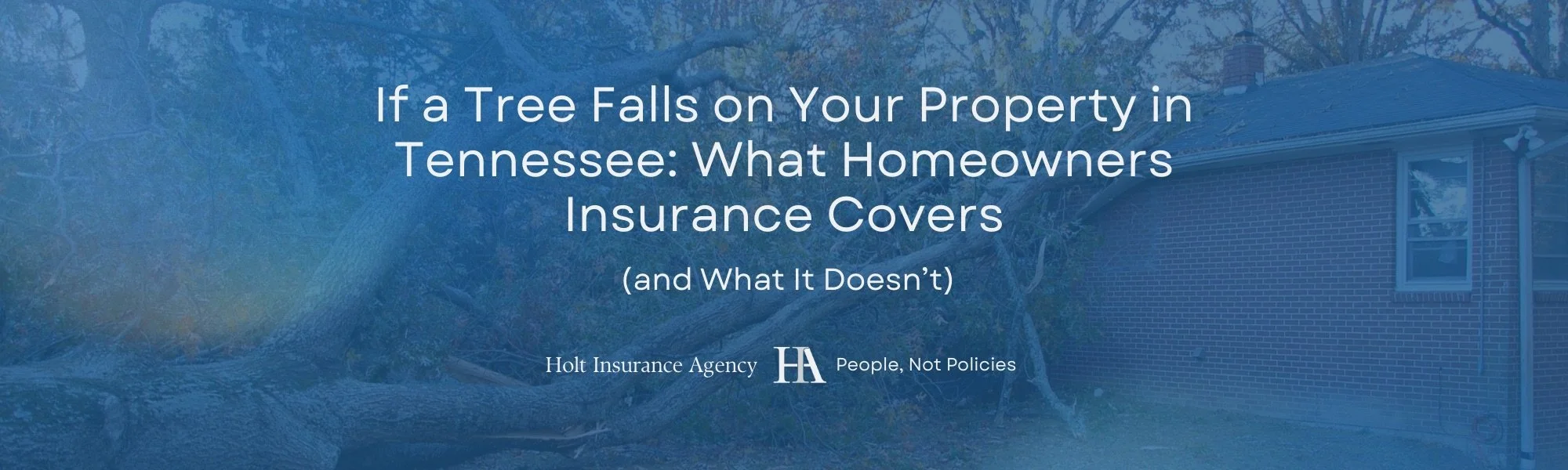
Strong storms are part of life in Tennessee, and the recent winter storm that swept through Nashville and the surrounding area was a clear reminder. Heavy snow, ice, and high winds brought down trees across neighborhoods in Williamson County, Brentwood, and Franklin, damaging homes, blocking driveways, and leaving many families asking the same question. Is this covered?
For families with high-value homes and large properties, the answer matters. Here is a clear breakdown of how homeowners insurance typically responds in Tennessee when a tree falls, and where coverage often stops.
What Happens When a Tree Falls on Your Property?
When a tree falls, insurance coverage depends on two main factors:
What caused the tree to fall
What the tree damaged, if anything
Homeowners insurance is designed to cover sudden and accidental events, not maintenance issues or preventable risks.
Common covered causes include:
Windstorms
Lightning
Ice or snow weight
Tornadoes
Severe thunderstorms
If the tree fell because it was dead, rotting, or poorly maintained, coverage may be limited or denied.
When Homeowners Insurance Typically Covers Tree Damage
1. If a Tree Damages Your Home or Other Structures
If a tree falls and hits:
Your home
A detached garage
A pool house
A fence or retaining wall
Your homeowners insurance usually covers the repair or rebuild costs, subject to your deductible.
This coverage falls under dwelling coverage or other structures coverage, depending on what was damaged.
For higher-value homes in Franklin or Brentwood, it is important that rebuilding costs are properly insured. Construction costs in Middle Tennessee have changed significantly over the past decade.
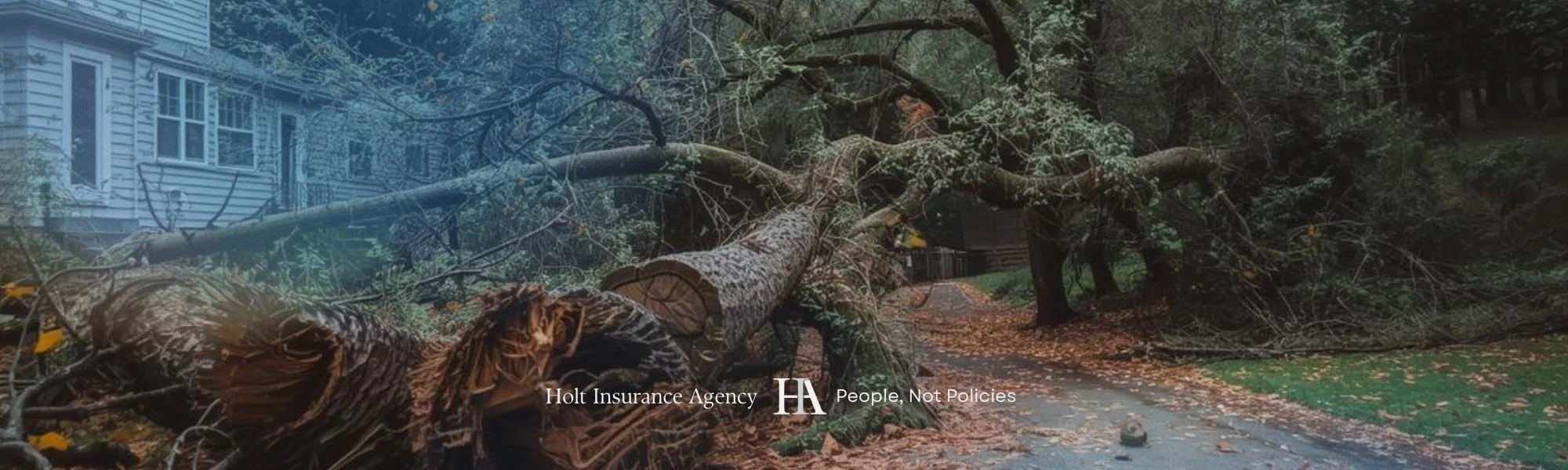
2. If a Tree Blocks a Driveway or Access Point
Many policies provide limited coverage to remove a fallen tree if it:
Blocks your driveway
Prevents access to your home
Creates a safety hazard
There is usually a cap on tree removal, often between $500 and $1,000 per tree. Higher-end policies may offer more flexibility.
3. If Your Tree Falls on a Neighbor’s Property
This is one of the most misunderstood situations.
In Tennessee:
Your neighbor typically files a claim on their own insurance
It does not matter whose tree it was
Unless negligence can be proven, insurance follows where the damage occurs, not who owned the tree.
Negligence means:
The tree was clearly dead or dangerous
You knew about it
You failed to address it
That is rare and difficult to prove, but it can happen.
What Homeowners Insurance Usually Does Not Cover
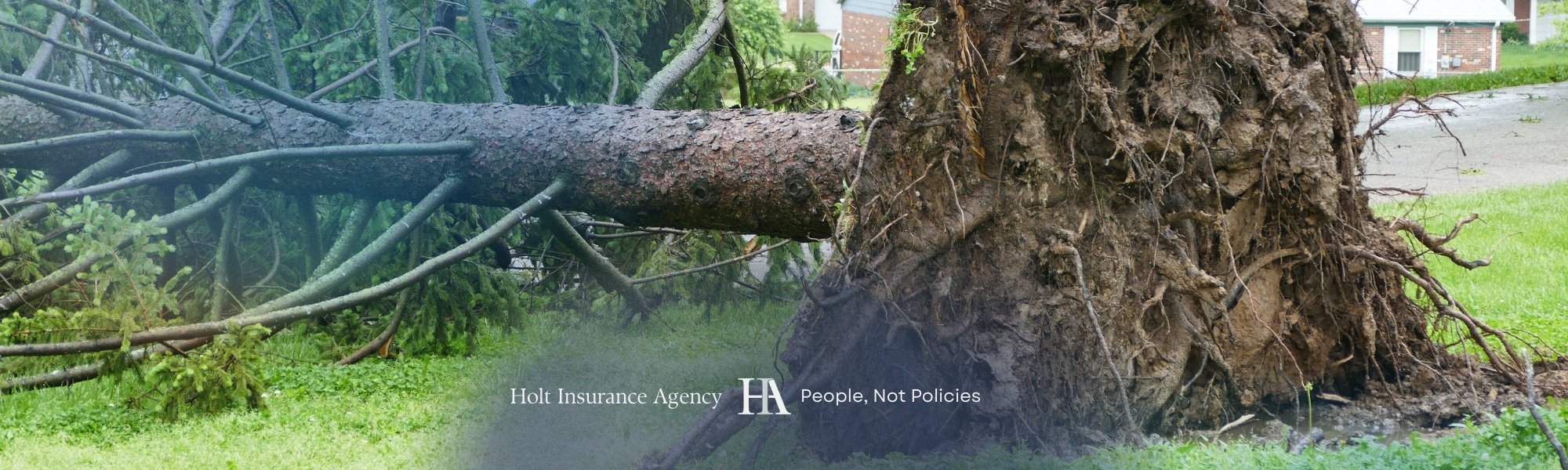
1. Tree Removal When There Is No Damage
If a tree falls in your yard and:
Does not hit a structure
Does not block access
Does not create a covered hazard
Homeowners insurance typically does not pay to remove it.
This surprises many Tennessee homeowners with large lots or wooded acreage.
2. Preventive Tree Maintenance
Insurance does not cover:
Trimming
Pruning
Removing dead or leaning trees before they fall
This is considered home maintenance, even if the tree later becomes a problem.
3. Damage From Rot or Neglect
If an insurer determines a tree fell because it was:
Rotted
Diseased
Structurally unsound for years
Coverage may be reduced or denied, especially if there were visible warning signs.
Why Coverage Details Matter More for Affluent Families
Families with:
High-value homes
Long driveways
Gated properties
Lake houses with mature trees
Multiple structures
Often face higher exposure when storms hit.
Standard policy limits on tree removal or debris cleanup may not be enough. This is where policy structure, endorsements, and carrier quality matter. Read this guide on what home insurance really covers in Tennessee.
At Holt Insurance, we often find gaps in otherwise solid policies simply because no one explained these limits clearly.
How Holt Insurance Helps Tennessee Families Stay Protected
We believe insurance should be clear, not confusing.
Our role is to:
Review tree and storm-related coverage limits
Identify removal and debris caps
Make sure rebuilding costs are accurate
Help families understand liability risks
Our family has been serving Tennessee families since 1946, and we take pride in helping clients avoid surprises after the storm passes.
If you want a clear, personalized review of your homeowners coverage, reach out to Holt Insurance today. We help Tennessee families protect what matters most, with clarity and confidence.
FAQ’s
-
It may, but usually only if the tree damages a covered structure or blocks access. Coverage is often limited by a dollar cap.
-
Typically no. Your neighbor files a claim on their own policy unless negligence can be proven.
-
No. Preventive maintenance is considered the homeowner’s responsibility.
-
Many standard policies cap removal between $500 and $1,000 per tree. Higher-end policies may offer higher limits.
-
Coverage rules are similar, but limits and deductibles often differ. Second homes should be reviewed carefully.